


For a strong back.
Pull-ups.
Back exercises
Strong back muscles are crucial for upright posture, a healthy spine, and optimal mobility. They stabilize the torso, protect the intervertebral discs, and relieve pressure on the joints during everyday activities. Whether lifting, carrying, or bending – a well-trained back facilitates every movement, prevents back pain, and increases physical performance and overall well-being.
Why are back exercises so important?
Our modern lifestyle is often characterized by prolonged sitting, lack of exercise, and one-sided strain. All of this negatively impacts back health. Muscles atrophy, the spine becomes overloaded, and tension and back pain are the result. This is where targeted back training comes in: It ensures that the muscles are strengthened , the spine is stabilized , and posture is improved .
Back exercises activate both the superficial and deep muscles. The deeper muscles—especially in the lumbar region—are essential for spinal stability and prevent the development of poor posture or muscular imbalances. Regular training of these muscle groups significantly reduces the risk of herniated discs, lumbago, or chronic pain.
A strong back also contributes significantly to overall performance. Whether lifting objects, exercising, or everyday life, strong back muscles support the entire musculoskeletal system and sustainably improve your mobility and balance.
The most popular back exercise - the pull-up
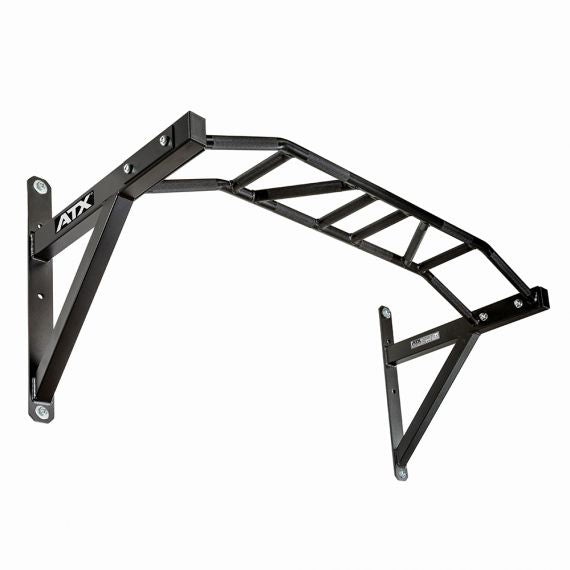
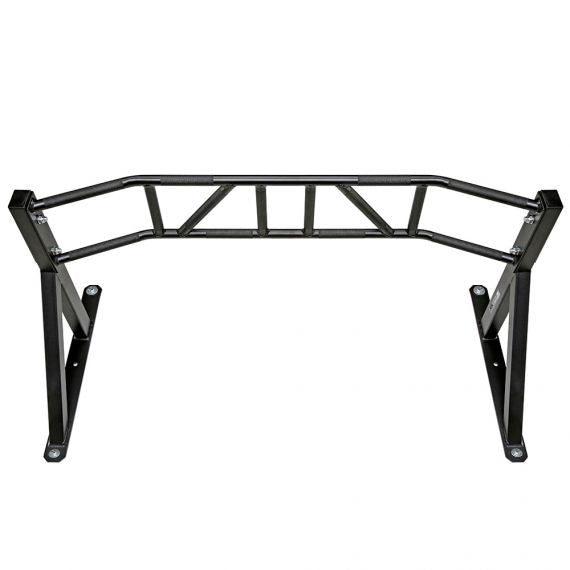
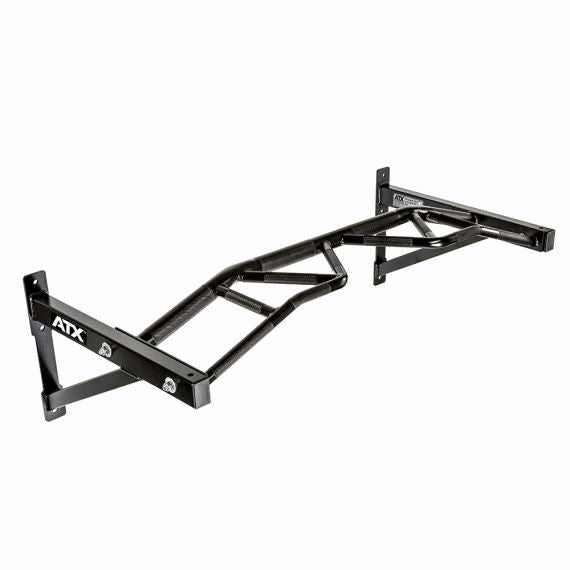
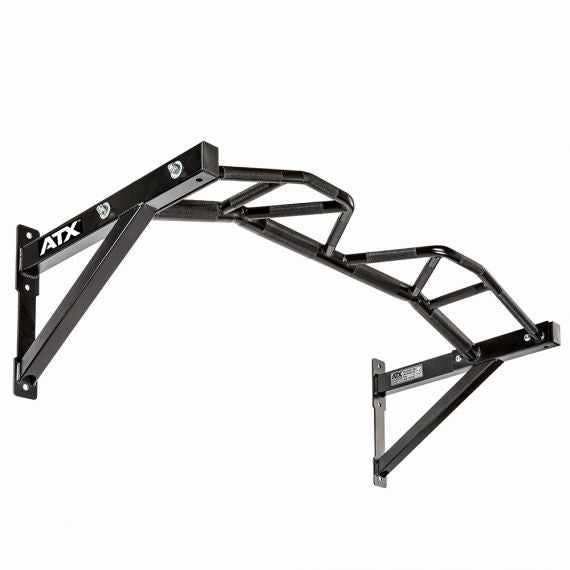
Pull-ups are one of the most effective exercises for strengthening the upper back. They specifically target the latissimus dorsi —the broadest back muscle—but also the trapezius muscle , rhomboids , and arm muscles . The movement not only strengthens the muscles between the shoulder blades but also promotes shoulder stability and improves posture. This challenging bodyweight exercise achieves significant results even with your own body weight.
For beginners, we recommend supporting tools such as resistance bands or counterweighted pull-up stations. Advanced athletes can create new training stimuli with additional weights or different grip variations such as a hammer grip, wide grip, or narrow underhand grip. Pull-ups are not only functional but also highly effective—ideal for building back muscles over the long term.
For a strong back.
Pull-ups.




Which 3 back exercises are particularly effective?
A balanced back workout is based on strengthening different areas of the back: the lower back, upper back, shoulders , and the deep core muscles . The following three exercises are among the most effective methods for strengthening all relevant muscle groups:
The combination of these three exercises results in a holistic back workout that has both a preventative and performance-enhancing effect.

back extensors
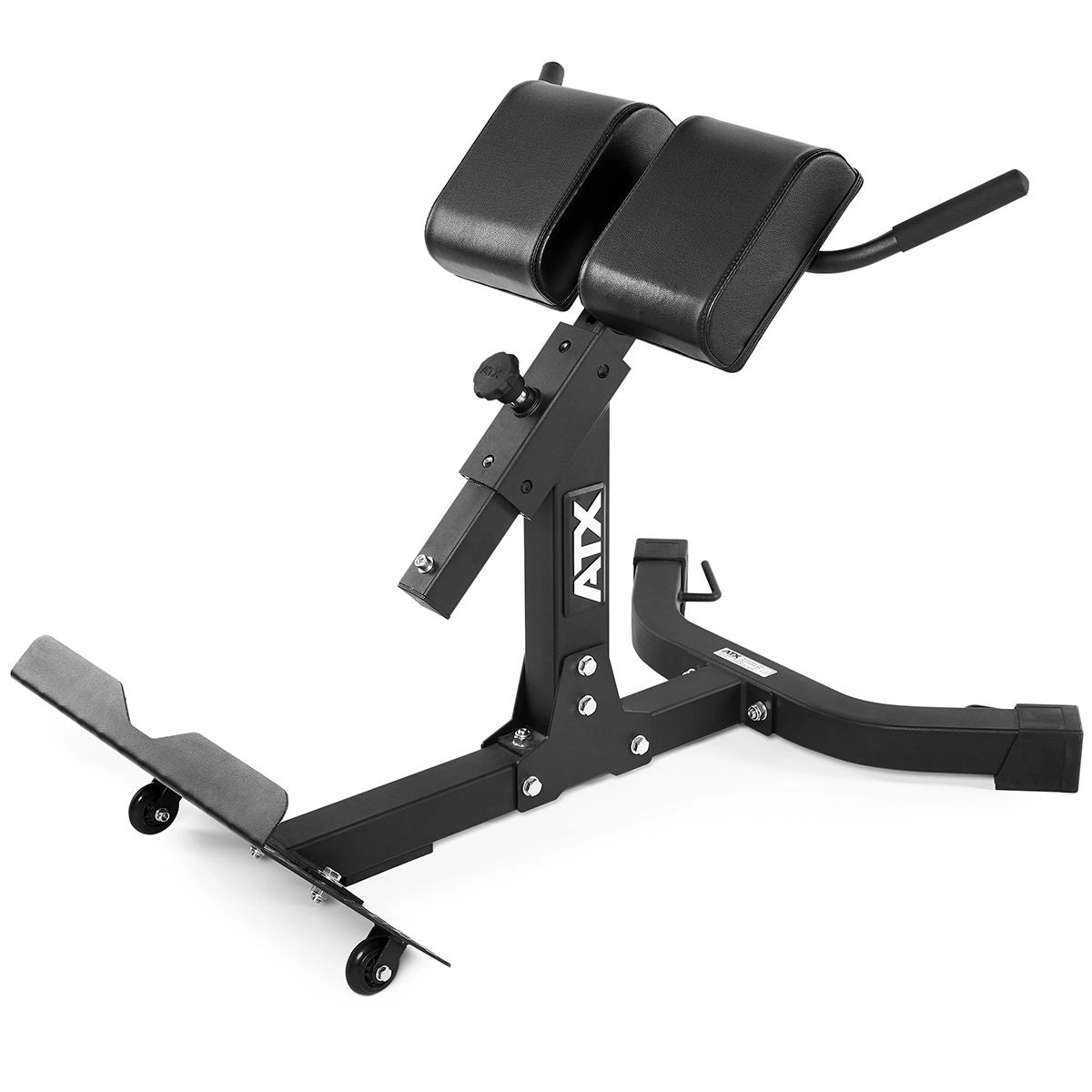
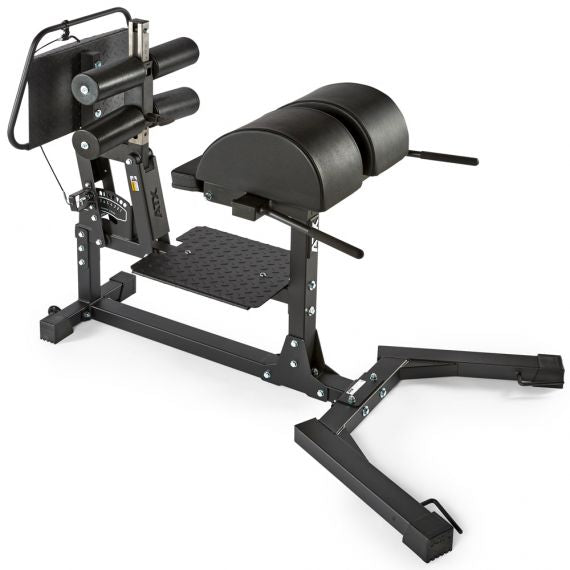
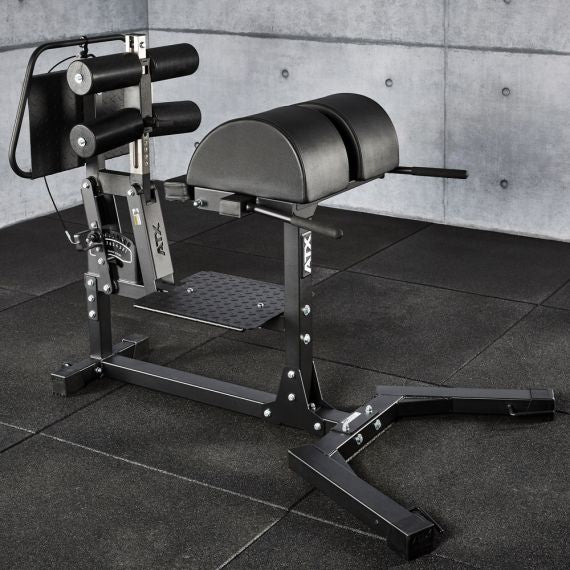
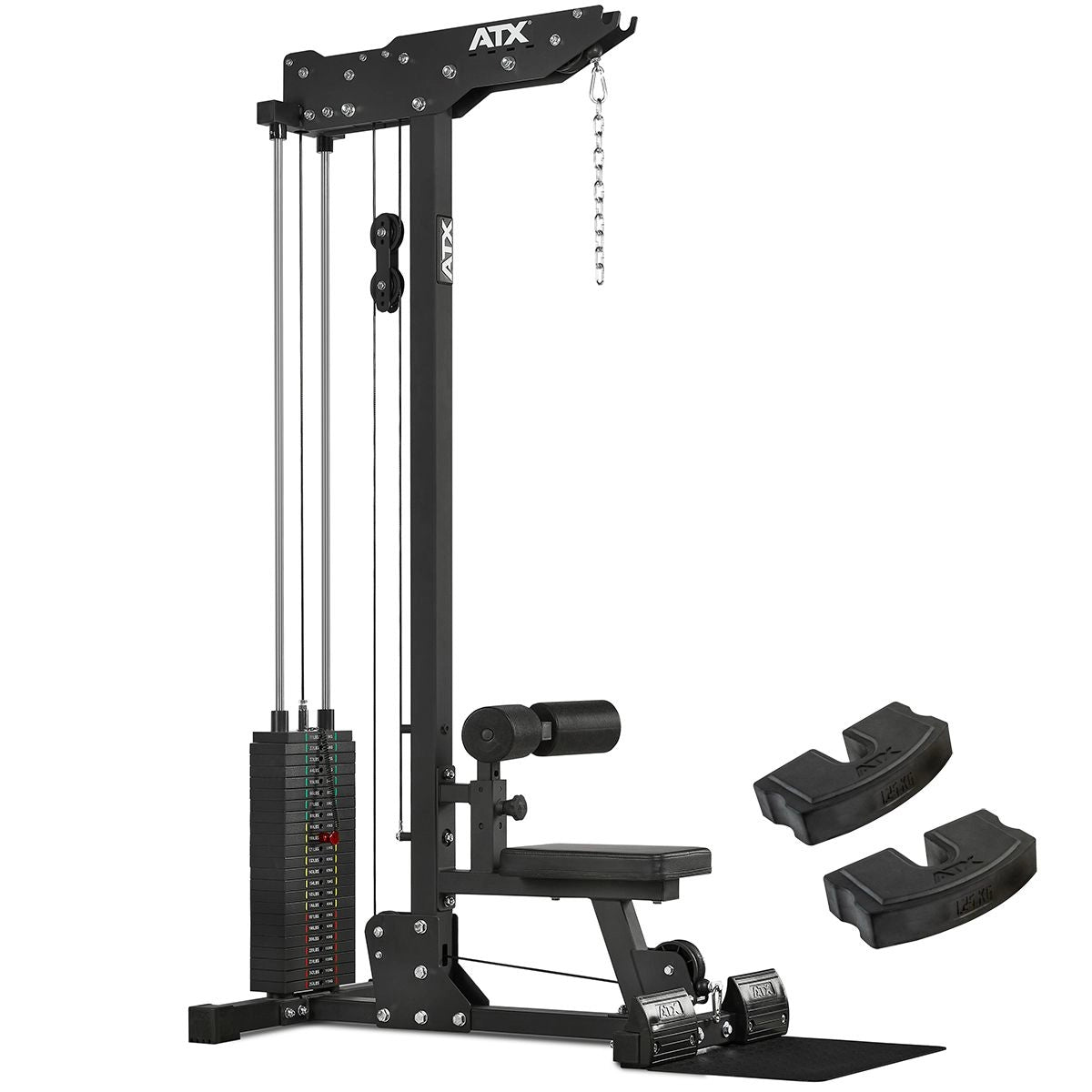
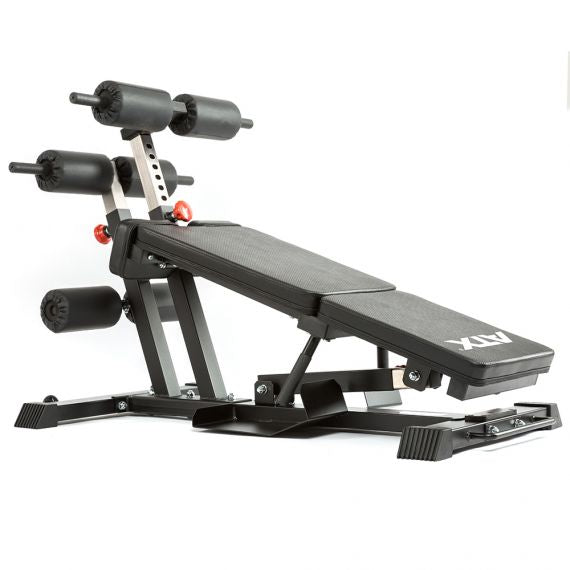
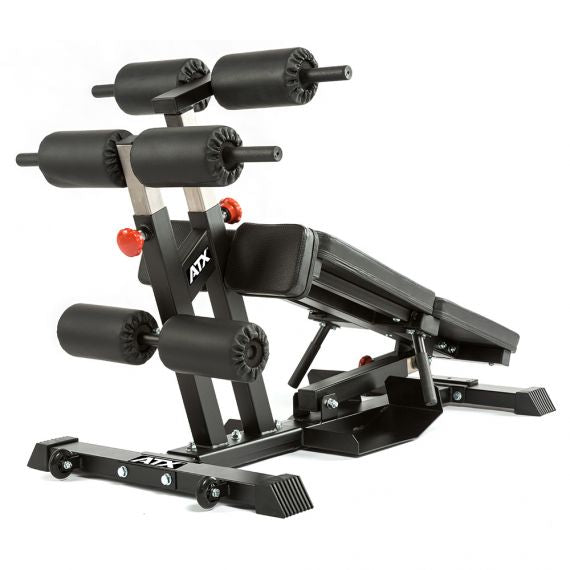
Equipment for your back exercises.
Back devices.






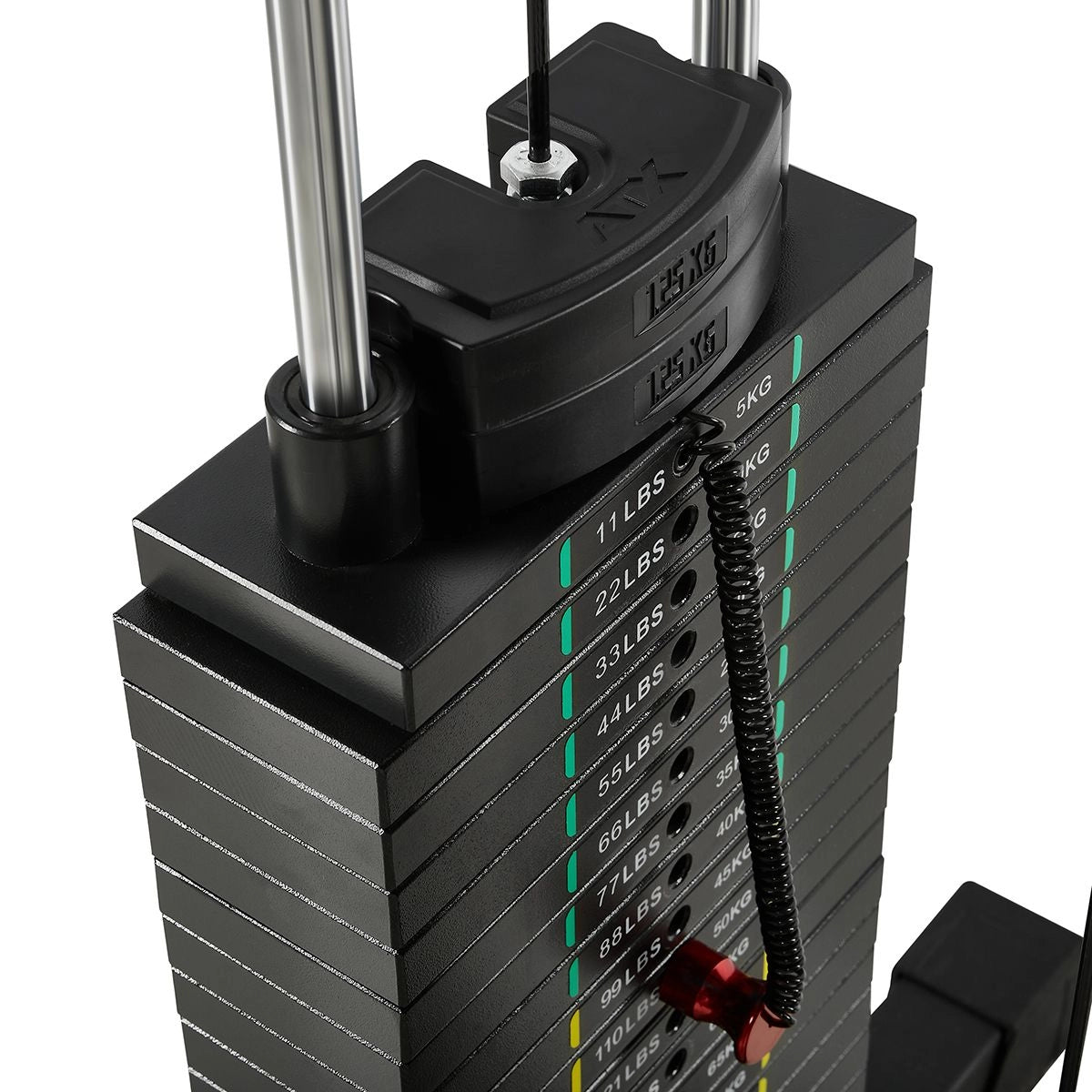
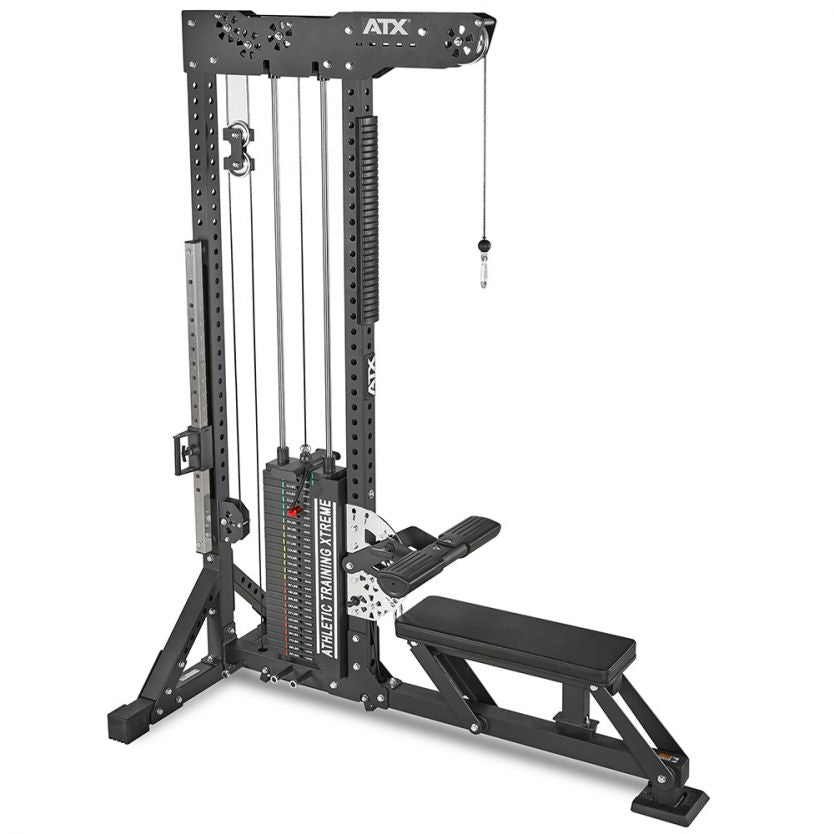

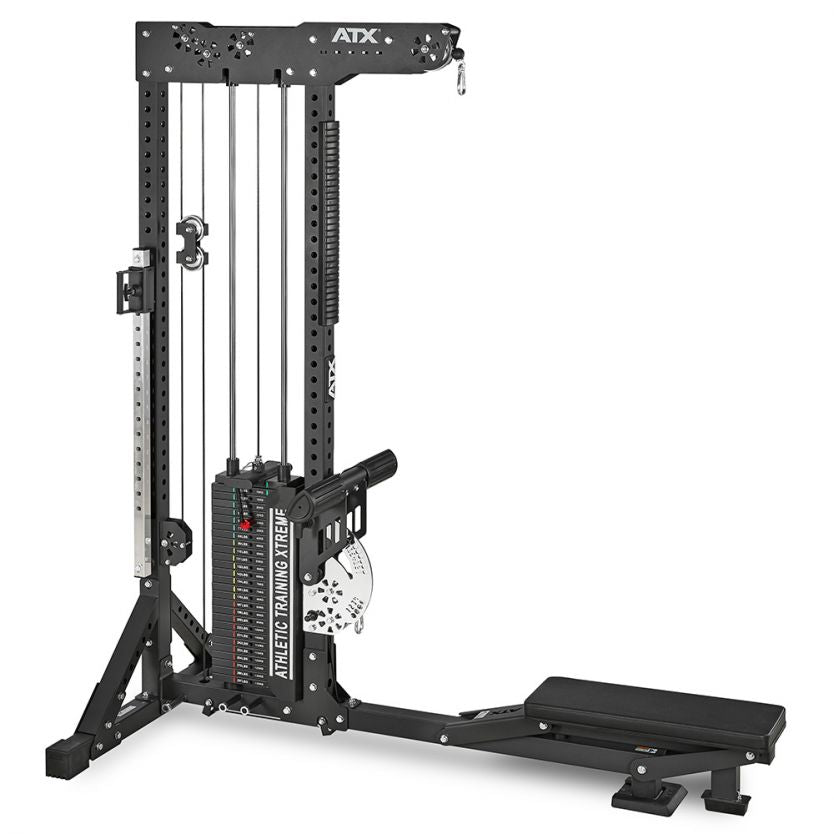


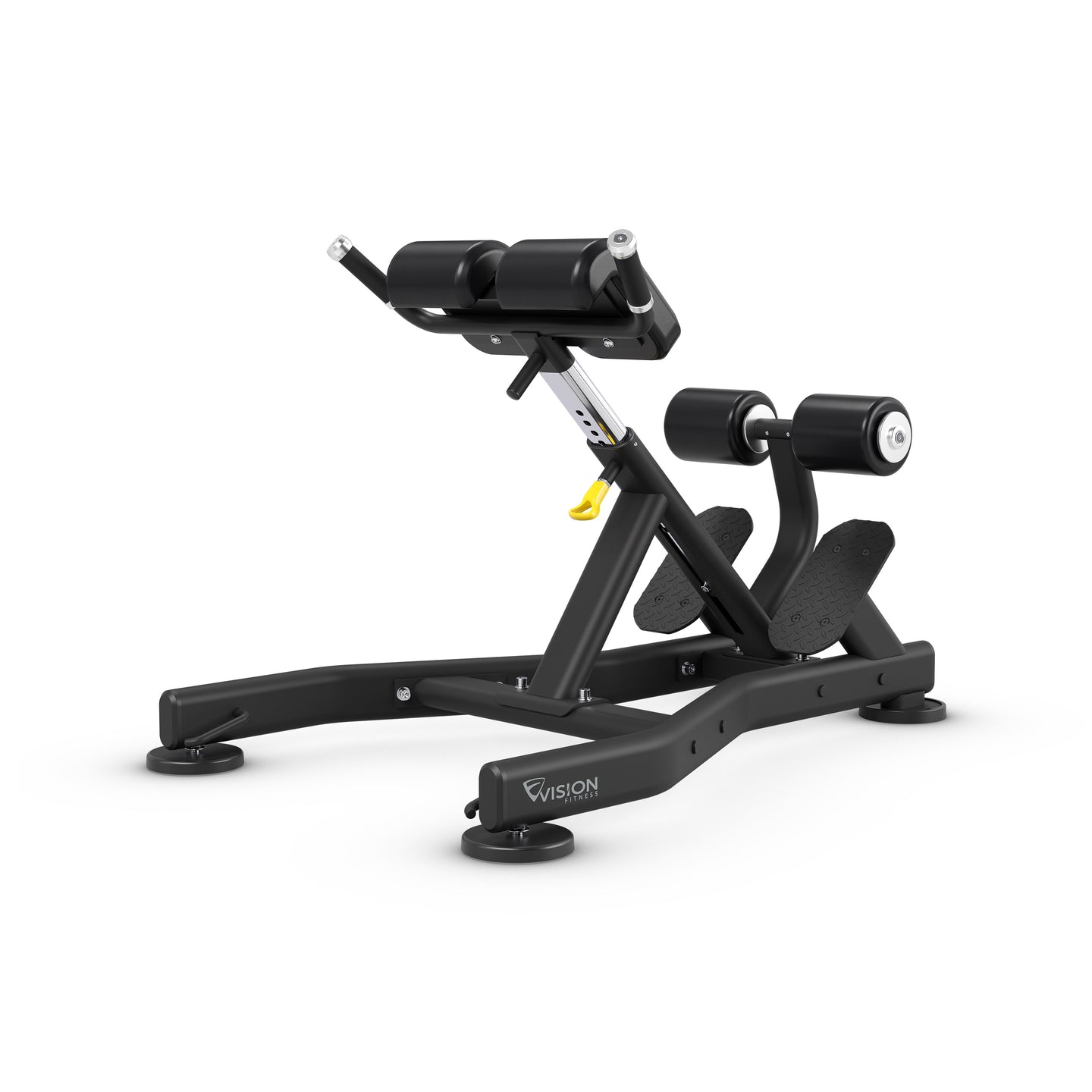




















What is the most effective bodyweight back exercise?
When it comes to highlighting a single particularly effective back exercise, the so-called "Superman" exercise tops the list. In this exercise, you lie flat on your stomach, stretch out your arms and legs, and then simultaneously lift them slightly off the floor. In doing so, you consciously tense your back muscles, especially in the lumbar spine . This isometric posture exercise specifically strengthens the lower back muscles, which are essential for healthy posture and pain prevention.

Superman - Back exercise
What are the best exercises for back pain?
Back pain often results from an imbalance between stressed and neglected muscles. Tension in the lower back or shoulder area can be effectively treated with targeted mobilization and strengthening exercises . The following methods have proven particularly effective:
You can perform these exercises comfortably at home. With aids like a foam roller, exercise ball, or a soft exercise mat from our shop, you can achieve a gentle yet effective workout.
The benefits of targeted back exercises at a glance
Regular back training offers numerous benefits that go far beyond muscle building:
Common mistakes in back training and how to avoid them
Many exercisers make common mistakes when training their backs that can reduce their success or even lead to injury. These include: